
How to Determining Appropriate Pipe Wall Thickness Based on Pressure and Temperature----1
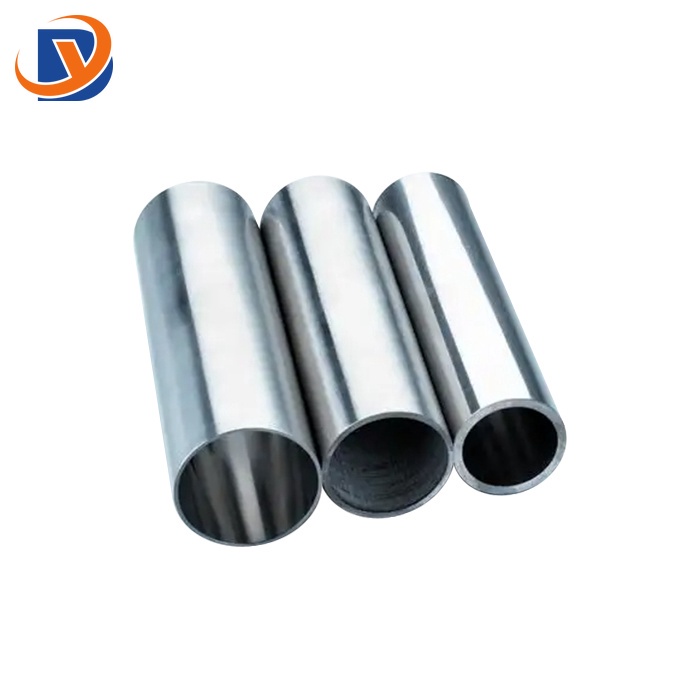
In industrial piping design, the proper selection of pipe wall thickness is a critical decision. Insufficient wall thickness can lead to pipe failure, leakage, or non-compliance with regulatory standards, whereas excessive thickness unnecessarily increases material, construction, and maintenance costs without enhancing system performance. The ideal wall thickness balances safety and cost-effectiveness by meeting pressure and temperature requirements while adhering to relevant standards and practical operational needs.
This article applies primarily to metal piping systems commonly used in industrial, process, and mechanical applications.
I. Starting with Design Conditions
The primary task in design is to establish the system's design pressure and design temperature. When determining these parameters, full consideration must be given to abnormal operating conditions, start-up and shut-down operations, and the safety margins stipulated by relevant standards.
It is recommended to first clarify the following points:
What is the maximum internal pressure the system may experience?
What is the maximum temperature likely to be reached during operation?
Does the system operate continuously or intermittently?
It must be emphasized that the determination of pipe wall thickness should be based on the worst-case credible operating condition—rather than routine average values—to ensure adequate safety under extreme conditions.
II. Selection of Piping Materials and Grades
Different materials and grades significantly affect piping strength performance. Carbon steel, stainless steel, and alloy steel exhibit distinct behaviors when subjected to pressure and temperature.
For example:
There is a difference in allowable stress between A106 Grade B carbon steel and A53 Grade A carbon steel;
The rate of strength degradation at high temperatures varies among different types of stainless steel;
Alloy steel may be required for applications involving high-temperature steam or specific process conditions.
Allowable stress values for various materials can be found in ASME piping codes, and these values are adjusted based on temperature.
III. Consideration of the Impact of Rising Temperatures on Allowable Stress
The allowable stress of metallic materials decreases as temperature rises. This means that even if pressure conditions remain constant, piping designed appropriately for ambient temperatures may fail to meet requirements in high-temperature environments.
This issue is particularly significant in the following systems:
Steam transmission systems;
Hot oil circulation systems;
Process piping subjected to sustained high temperatures.
Even when pressures are not particularly high, elevated temperatures often necessitate the selection of piping with greater wall thickness.
IV. Calculations Based on Applicable Piping Codes
The wall thickness of industrial piping is typically determined using formulas provided in relevant codes, such as:
ASME B31.1 *Power Piping*
ASME B31.3 *Process Piping*
These codes take into account factors such as internal pressure, pipe outside diameter, material allowable stress, joint efficiency, and design coefficients to determine the minimum wall thickness that meets pressure and temperature requirements.
V. Addition of Corrosion and Erosion Allowances
For most industrial systems, an additional corrosion allowance is added to the calculated thickness to compensate for material loss caused by the process medium over the service life.
Common principles for determining these allowances include:
Zero allowance may be used for clean, dry, and non-corrosive environments;
An allowance of at least 1/16 inch is typically added when handling corrosive liquids, vapors, or moist media;
Increased thickness is also required to withstand erosion in the presence of high-velocity fluids or solid particle impingement.
Related Posts
- ▶ Distinguishing between 304 and 316 stainless steel
- ▶ The performance and application scope of 316L stainless steel pipes
- ▶ The company's carbon steel products have been highly recognized by customers.
- ▶ How to Determine the Appropriate Pipe Wall Thickness Based on Pressure and Temperature—2
- ▶ How to Determining Appropriate Pipe Wall Thickness Based on Pressure and Temperature----1
- ▶ Customized service upgrade! We have launched a "72 hour rapid response" mechanism
Send Us A Message
Please Contact Us