
Distinguishing between 304 and 316 stainless steel
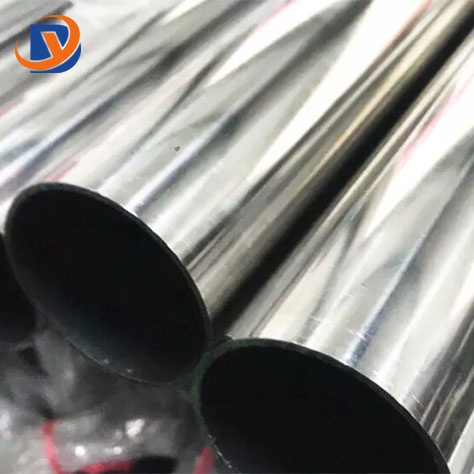
High-Performance 316 Stainless Steel
Premium-quality 316 stainless steel is primarily composed of iron, with additions of chromium, nickel, silicon, manganese, carbon, and molybdenum. The inclusion of molybdenum significantly enhances the alloy's corrosion resistance, enabling it to effectively withstand attack by acids and chlorides, making it suitable for a wide range of marine applications.
Advantages of 316 stainless steel:Improved corrosion resistance compared to 304;Good strength at high temperatures;Good resistance to pitting corrosion in chloride-containing solutions;Effective in acidic environments;Enhanced long-term value。
Applications of 316 stainless steel: catering equipment; medical equipment and instruments; structural steel for marine environments; highly alkaline and acidic environments; coastal areas; commercial kitchen countertops.
Austenitic 304 Stainless Steel
304 stainless steel is considered the most widely used austenitic stainless steel; its nickel and chromium content provides excellent corrosion resistance. Because it is easy to sanitize, 304 stainless steel is ideally suited for a wide range of applications in the food production industry. With a minimum chromium content of 18% and a minimum nickel content of 8%, Type 304 stainless steel is commonly referred to as 18-8 stainless steel. It is available in various specifications and is easy to form and fabricate.
Advantages of 304 stainless steel: excellent corrosion resistance, resistance to organic chemicals, impact resistance, enhanced aesthetic appeal, and ease of recycling.
Applications of 304 stainless steel: household appliances, storage tanks, indoor electrical enclosures, kitchen equipment, and automotive trim.
Comparison of Chemical Corrosion Resistance: 316 vs. 304 Stainless Steel
Due to its higher nickel content and the addition of molybdenum, 316 stainless steel offers superior chemical corrosion resistance compared to 304 stainless steel. It effectively withstands corrosion from acids and chlorides (including salt), making it an ideal material for chemical processing and marine applications.
Machinability of 304 and 316 Stainless Steel
In terms of machinability, 304 stainless steel is easier to process than 316 stainless steel. Thanks to its lower cost and ease of fabrication, the 304 alloy is the most widely used austenitic stainless steel in the world. Machining 316 stainless steel requires specialized tooling; consequently, it is typically reserved for applications that specifically require its unique properties.
316 vs. 304 Stainless Steel: Which Should You Choose?
Although 304 stainless steel has a higher melting point, 316 stainless steel offers superior resistance to chemical corrosion and chlorides (such as salt). For applications involving chloride-containing solutions or saline environments, 316 stainless steel is considered the better choice.
When comparing 304 and 316 stainless steel, it is important to note that 316 is considered the higher-performing alloy of the two. However, superior performance comes at a higher price; whether this additional cost is justified depends on your specific application. The stainless steel best suited for your project will depend on your specific requirements.
Contact Yongding Steel today for high-quality 316 and 304 stainless steel products.
Related Posts
- ▶ Distinguishing between 304 and 316 stainless steel
- ▶ The performance and application scope of 316L stainless steel pipes
- ▶ The company's carbon steel products have been highly recognized by customers.
- ▶ How to Determine the Appropriate Pipe Wall Thickness Based on Pressure and Temperature—2
- ▶ How to Determining Appropriate Pipe Wall Thickness Based on Pressure and Temperature----1
- ▶ Customized service upgrade! We have launched a "72 hour rapid response" mechanism
Send Us A Message
Please Contact Us